
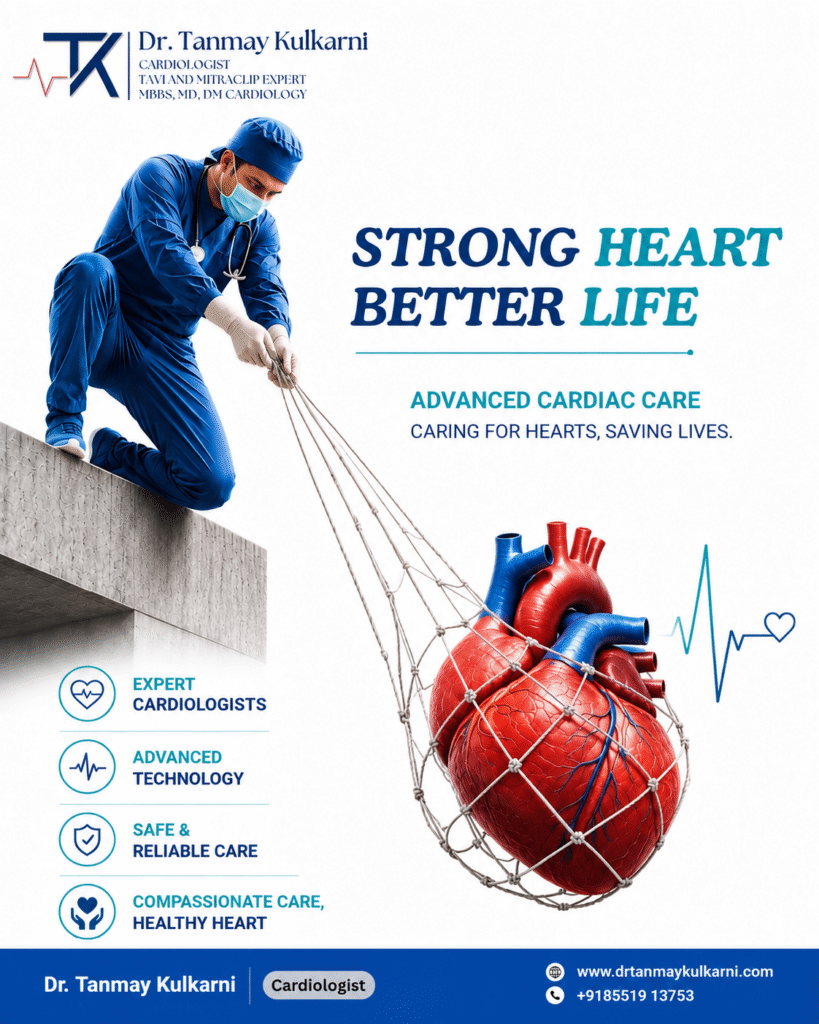
A healthy heart plays an essential role in maintaining an active and fulfilling life. The heart continuously pumps blood throughout the body, supplying oxygen and nutrients to vital organs. Taking care of cardiovascular health is therefore an important part of overall wellness. Regular evaluation, awareness of risk factors, healthy habits, and timely medical guidance can all contribute to better heart health.
For individuals looking for a Cardiologist in Pune, Dr. Tanmay S Kulkarni offers professional cardiac consultation and personalized guidance based on each patient’s medical needs. His approach focuses on appropriate evaluation, understanding cardiovascular concerns, and helping patients make informed decisions regarding their heart health.
Why Heart Health Should Be a Priority
Heart-related conditions can develop gradually, and some cardiovascular problems may not cause noticeable symptoms in their early stages. Factors such as increasing age, family history, high blood pressure, diabetes, elevated cholesterol, smoking, physical inactivity, excess weight, and prolonged stress can influence cardiovascular health.
Being aware of these risk factors can encourage people to take preventive steps. Regular health assessments may help identify concerns that require further evaluation. Instead of waiting for symptoms to interfere with daily activities, maintaining a proactive approach to heart health can be beneficial.
The Role of Regular Cardiac Evaluation
A cardiac consultation generally begins with understanding the patient’s medical history, lifestyle, symptoms, and existing health conditions. Depending on the individual’s circumstances, a doctor may recommend appropriate examinations or diagnostic tests.
These evaluations can help healthcare professionals understand cardiovascular function and determine whether additional investigation or treatment is appropriate. The exact tests required vary from person to person, so patients should follow medical advice rather than assuming that every individual requires the same assessment.
Cardiac Evaluation is particularly relevant for people with cardiovascular risk factors, a previous history of heart-related concerns, or symptoms that require professional assessment.
Recognizing Symptoms That Need Attention
Certain symptoms should not be ignored, particularly when they are new, persistent, severe, or occurring during physical activity. These may include chest discomfort, unusual breathlessness, palpitations, dizziness, unexplained fatigue, or reduced exercise tolerance.
However, symptoms can have many possible causes, and experiencing one does not automatically mean that a person has a heart condition. A qualified healthcare professional can assess the symptoms and determine whether further cardiac evaluation is required.
For severe or sudden symptoms, especially significant chest pain, difficulty breathing, fainting, or other potentially serious signs, immediate emergency medical attention should be sought.
Building a Heart-Friendly Lifestyle
Medical care is only one component of cardiovascular wellness. Everyday habits can also play an important role. A balanced lifestyle may include regular physical activity appropriate to one’s health status, nutritious meals, adequate sleep, maintaining a healthy weight, avoiding tobacco, and managing stress.
A heart-conscious diet can emphasize vegetables, fruits, whole grains, pulses, nuts, and other nutrient-rich foods while limiting excessive salt, added sugars, and unhealthy fats. Individual dietary requirements may differ, particularly for people with existing medical conditions, so personalized advice from a healthcare professional or dietitian can be useful.
Healthy Heart Habits are not about making sudden or unrealistic changes. Small, sustainable improvements incorporated into daily routines can support long-term wellness.
Personalized Cardiac Care Matters
Every patient has a different medical history and set of risk factors. Therefore, cardiac care should be based on individual circumstances rather than a one-size-fits-all approach.
Dr. Tanmay S Kulkarni emphasizes appropriate assessment and individualized medical guidance. Depending on the patient’s condition, treatment may involve lifestyle recommendations, medicines, monitoring, diagnostic procedures, or referral for specialized intervention when clinically appropriate.
Personalized Cardiac Care allows healthcare decisions to be considered in the context of the patient’s symptoms, medical history, diagnostic findings, and overall health.
Advanced Cardiac Care and Modern Treatment Options
Advances in cardiology have expanded the range of diagnostic and therapeutic options available to suitable patients. Modern cardiac care may include non-invasive investigations, catheter-based procedures, structural heart interventions, and other specialized treatments.
Dr. Tanmay S Kulkarni has a professional focus that includes cardiology and structural heart procedures such as TAVI and MitraClip. The suitability of any procedure depends on individual clinical factors, and patients should discuss potential benefits, risks, alternatives, and expected follow-up with their treating specialist.
Advanced Cardiac Treatment should always be considered after appropriate medical evaluation and should be tailored to the patient’s specific requirements.
Taking the Next Step for Your Heart
Looking after your heart is an ongoing process rather than a single event. Understanding personal risk factors, maintaining healthy routines, attending recommended check-ups, and seeking medical advice when concerns arise can help support cardiovascular wellness.
Dr. Tanmay S Kulkarni is committed to providing thoughtful cardiac assessment and evidence-based medical guidance for patients seeking professional heart care. Whether someone wants to understand their cardiovascular risk or requires evaluation for an existing concern, a consultation can help clarify the appropriate next steps.
A strong heart supports an active life. By making heart health a regular part of personal wellness, individuals can take meaningful steps toward protecting their cardiovascular health and maintaining better quality of life.