
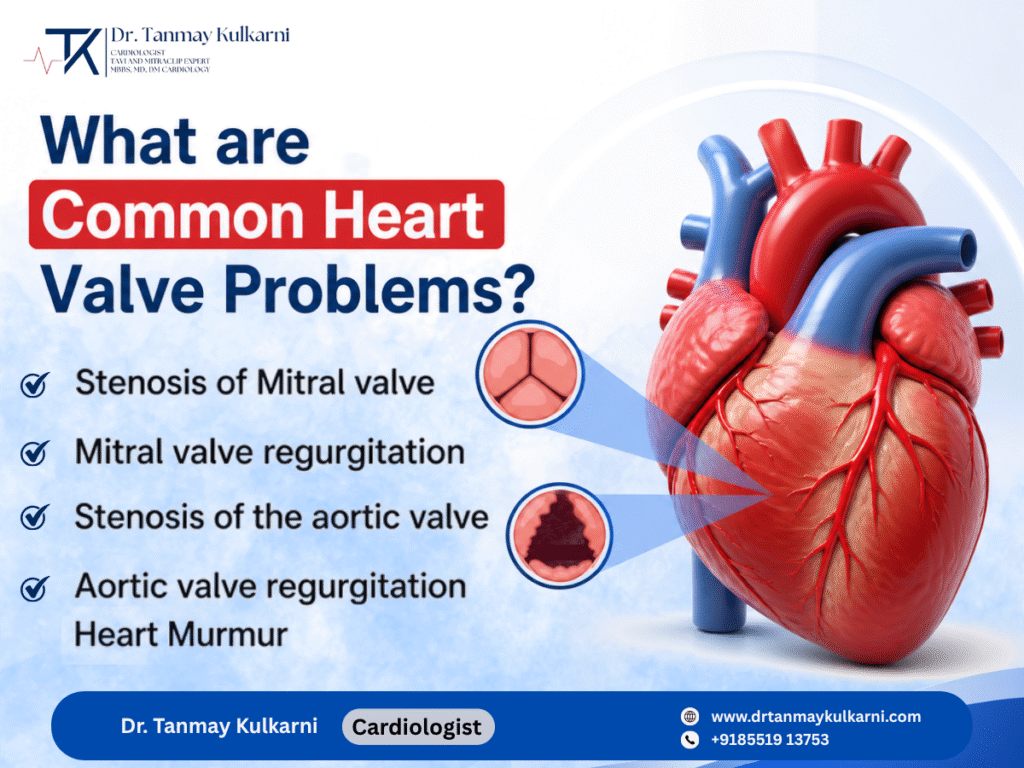
Heart health plays a vital role in maintaining overall well-being, yet many people ignore early warning signs of heart valve disease until symptoms become severe. Heart valves are responsible for ensuring smooth blood flow through the chambers of the heart. When these valves do not function properly, it can affect the heart’s efficiency and lead to serious health complications.
As a trusted cardiologist, Dr. Tanmay S Kulkarni, Heart Specialist in Pune, believes that awareness and early diagnosis are the key to preventing advanced heart conditions. Understanding common heart valve problems can help patients seek timely treatment and maintain better heart health.
What Are Heart Valves?
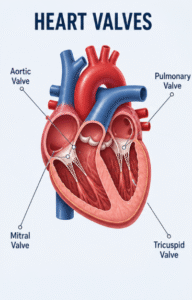
The heart contains four valves:
- Mitral valve
- Aortic valve
- Tricuspid valve
- Pulmonary valve
These valves open and close with every heartbeat to regulate blood flow in the correct direction. When a valve becomes narrowed, weakened, or leaky, it can interfere with circulation and put extra strain on the heart.
Common Heart Valve Problems
1. Mitral Valve Stenosis
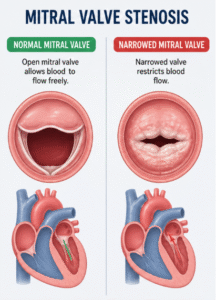
Mitral valve stenosis occurs when the mitral valve becomes narrow, restricting blood flow between the left atrium and left ventricle. This condition is often linked to rheumatic fever or age-related valve damage.
Symptoms:
- Shortness of breath
- Fatigue
- Chest discomfort
- Irregular heartbeat
Without proper treatment, mitral valve stenosis may increase the risk of heart failure or stroke.
2. Mitral Valve Regurgitation
Mitral valve regurgitation happens when the valve does not close properly, causing blood to flow backward inside the heart.
Common signs include:
- Palpitations
- Breathlessness during activity
- Swelling in legs or ankles
- Weakness and fatigue
Early diagnosis by an experienced cardiologist like Dr. Tanmay S Kulkarni, Heart Specialist in Pune can help manage symptoms effectively and prevent complications.
3. Aortic Valve Stenosis
Aortic valve stenosis is a condition where the aortic valve narrows, limiting blood flow from the heart to the rest of the body. It commonly affects older adults but may also occur due to congenital heart defects.
Symptoms:
- Chest pain
- Dizziness or fainting
- Shortness of breath
- Reduced exercise tolerance
Severe aortic stenosis can become life-threatening if left untreated.
4. Aortic Valve Regurgitation
In this condition, the aortic valve fails to close completely, allowing blood to leak backward into the heart.
Symptoms may include:
- Fatigue
- Rapid heartbeat
- Breathlessness
- Chest discomfort
Timely cardiac evaluation is essential to determine the severity of valve leakage and the right treatment approach.
5. Heart Murmur
A heart murmur is an unusual sound heard during a heartbeat. While some murmurs are harmless, others may indicate underlying valve disease.
A cardiology consultation and advanced diagnostic tests are necessary to identify whether the murmur requires treatment.
Causes of Heart Valve Disease
Several factors can contribute to heart valve disorders, including:
- Aging and calcium buildup
- High blood pressure
- Rheumatic fever
- Congenital heart defects
- Previous heart infections
- Coronary artery disease
Lifestyle factors such as smoking, obesity, and uncontrolled diabetes may also increase the risk of heart-related complications.
When Should You Visit a Heart Specialist?
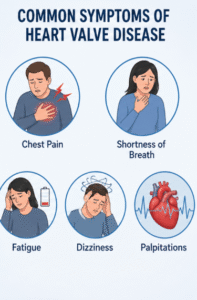
Many people ignore symptoms like fatigue or breathlessness, assuming they are caused by stress or aging. However, persistent symptoms should never be neglected.
You should consult Dr. Tanmay S Kulkarni, Heart Specialist in Pune if you experience:
- Chest pain
- Shortness of breath
- Irregular heartbeat
- Swelling in legs
- Dizziness or fainting episodes
- Reduced physical stamina
Early diagnosis can prevent serious complications and improve long-term heart function.
Diagnosis of Heart Valve Problems
Modern cardiology offers advanced tools for accurate diagnosis of valve disorders. Common tests include:
- ECG (Electrocardiogram)
- 2D Echo
- Stress Test
- Cardiac CT Scan
- Cardiac MRI
These investigations help determine the severity of valve damage and guide treatment planning.
Treatment Options for Heart Valve Disease
Treatment depends on the type and severity of the condition.
Medications
In mild cases, medicines may help manage symptoms and reduce strain on the heart.
Lifestyle Modifications
Healthy lifestyle habits can support heart function and slow disease progression:
- Eating a balanced diet
- Regular exercise
- Controlling blood pressure
- Managing diabetes
- Avoiding smoking and alcohol
Minimally Invasive Procedures
Advanced treatments such as balloon valvotomy or catheter-based interventions may be recommended for selected patients.
Valve Repair or Replacement Surgery
In severe cases, surgical repair or valve replacement may be necessary to restore normal blood flow and improve quality of life.
Importance of Regular Heart Check-Ups
Heart valve diseases often progress slowly and silently. Routine cardiac screening can help detect abnormalities before symptoms become severe. People above 40 years of age, especially those with hypertension, diabetes, or family history of heart disease, should undergo regular heart evaluations.
Expert Cardiac Care in Pune
If you are looking for experienced and compassionate heart care, Dr. Tanmay S Kulkarni, Heart Specialist in Pune, provides advanced diagnosis and personalized treatment for a wide range of cardiac conditions. With a patient-focused approach and modern cardiac care, the goal is to help individuals maintain a healthy and active life.
Timely attention to heart valve problems can make a significant difference in preventing complications and improving overall heart health.
Conclusion
Heart valve disorders are common but manageable when diagnosed early. Conditions such as mitral valve stenosis, valve regurgitation, aortic valve disease, and heart murmurs should never be ignored. Recognizing symptoms and consulting an experienced cardiologist can help ensure timely treatment and better outcomes.
If you or your loved one is experiencing symptoms related to heart valve disease, schedule a consultation with Dr. Tanmay S Kulkarni, Heart Specialist in Pune, for expert evaluation and comprehensive heart care.