
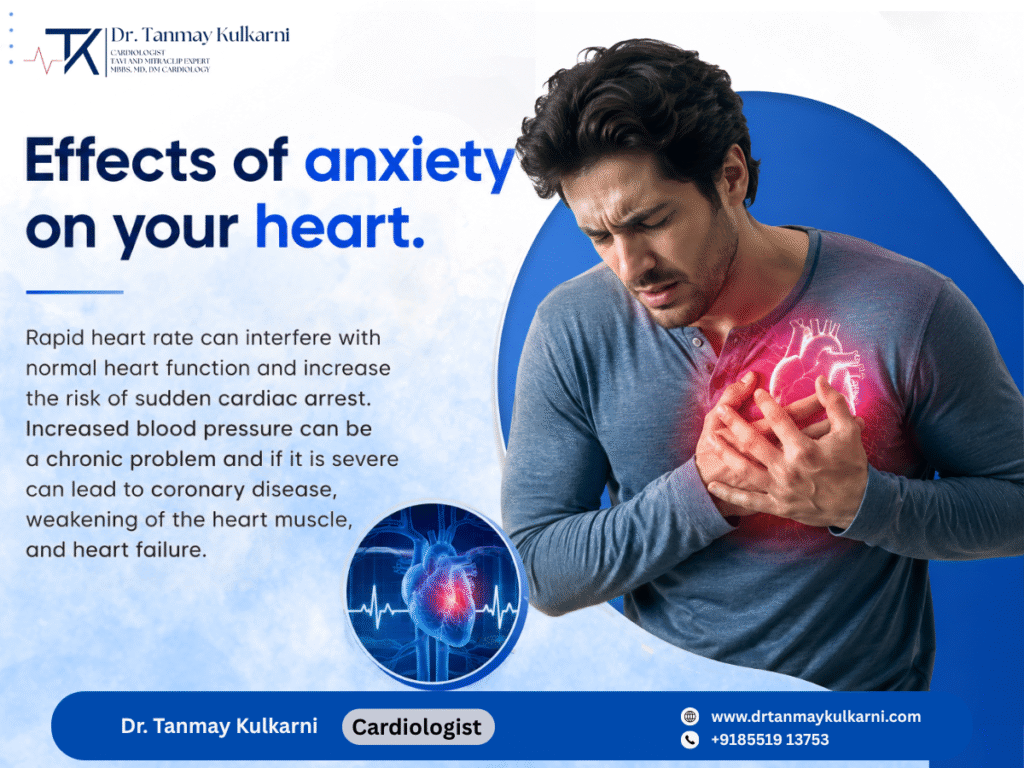
Anxiety is becoming increasingly common in today’s fast-paced lifestyle. While most people associate anxiety with emotional stress and mental health issues, very few realize that it can also significantly affect heart health. Persistent anxiety can lead to changes in blood pressure, heart rate, and overall cardiovascular function. According to Dr. Tanmay S Kulkarni, Heart Specialist in Pune, understanding the connection between anxiety and heart disease is essential for maintaining a healthy life.
If you frequently experience stress, panic attacks, chest discomfort, or palpitations, it is important not to ignore these symptoms. Timely consultation with an experienced cardiologist can help prevent serious complications.
How Anxiety Affects the Heart
When a person feels anxious or stressed, the body releases stress hormones such as adrenaline and cortisol. These hormones prepare the body for a “fight or flight” response. As a result, the heart starts beating faster, blood pressure rises, and breathing becomes rapid.
Occasional stress may not cause long-term damage, but chronic anxiety can place continuous pressure on the cardiovascular system. Over time, this may contribute to several heart-related conditions including:
- High blood pressure
- Rapid or irregular heartbeat
- Increased risk of coronary artery disease
- Chest pain
- Weakening of heart muscles
- Increased risk of heart attack or stroke
According to Dr. Tanmay S Kulkarni, Heart Specialist in Pune, people with untreated anxiety often experience symptoms that mimic heart disease, making professional evaluation extremely important.
Common Symptoms of Anxiety Related Heart Problems
Many patients confuse anxiety symptoms with cardiac conditions because both can appear similar. Some common signs include:
- Chest tightness or chest pain
- Palpitations or racing heartbeat
- Shortness of breath
- Excessive sweating
- Dizziness or lightheadedness
- Fatigue
- Sleep disturbances
If these symptoms occur repeatedly, consulting Dr. Tanmay S Kulkarni, Heart Specialist in Pune can help identify whether the issue is stress-related or linked to an underlying heart condition.
Can Anxiety Increase the Risk of Heart Disease?
Yes, chronic anxiety can indirectly increase the risk of heart disease. Individuals dealing with ongoing stress often develop unhealthy lifestyle habits such as smoking, poor diet, lack of exercise, and inadequate sleep. These habits further increase cardiovascular risk.
Research has shown that long-term anxiety may contribute to inflammation in blood vessels and increased blood pressure, both of which can negatively impact heart health. Stress can also trigger sudden spikes in heart rate and blood pressure, especially during panic attacks.
At Dr. Tanmay S Kulkarni, Heart Specialist in Pune, patients receive comprehensive cardiac evaluations to identify risk factors early and manage them effectively.
The Link Between Panic Attacks and Heart Symptoms
Panic attacks can feel extremely frightening and are often mistaken for heart attacks. During a panic attack, a person may experience chest pain, breathlessness, rapid heartbeat, and sweating. Although panic attacks are related to anxiety, it is still important to rule out serious cardiac conditions.
A proper heart examination including ECG, echocardiography, stress testing, or other investigations may be recommended by Dr. Tanmay S Kulkarni, Heart Specialist in Pune to ensure accurate diagnosis and peace of mind.
Tips to Protect Your Heart from Anxiety
Managing anxiety is important not only for mental health but also for maintaining a healthy heart. Here are some effective ways to reduce stress and improve cardiovascular wellness:
1. Exercise Regularly
Physical activity helps release endorphins, improves blood circulation, and reduces stress levels. Even a 30-minute walk daily can benefit both the heart and mind.
2. Maintain a Healthy Diet
A balanced diet rich in fruits, vegetables, whole grains, and lean proteins supports heart health and improves overall well-being.
3. Practice Relaxation Techniques
Meditation, yoga, deep breathing exercises, and mindfulness techniques help calm the nervous system and reduce anxiety symptoms.
4. Get Proper Sleep
Poor sleep increases stress hormone levels and affects blood pressure. Aim for 7–8 hours of quality sleep every night.
5. Avoid Smoking and Excess Alcohol
Smoking and alcohol can worsen anxiety and significantly increase the risk of heart disease.
6. Seek Professional Help
If anxiety becomes overwhelming or starts affecting daily life, consulting both mental health professionals and cardiologists is essential.
When Should You Visit a Heart Specialist?
Many people ignore symptoms assuming they are caused only by stress. However, chest pain, persistent palpitations, dizziness, or shortness of breath should never be neglected.
You should consult Dr. Tanmay S Kulkarni, Heart Specialist in Pune if you experience:
- Frequent chest discomfort
- Unexplained rapid heartbeat
- High blood pressure
- Family history of heart disease
- Anxiety along with cardiac symptoms
- Difficulty breathing during stress episodes
Early diagnosis and preventive care can help avoid major cardiac complications in the future.
Why Choose Dr. Tanmay S Kulkarni, Heart Specialist in Pune?
Dr. Tanmay S Kulkarni is known for providing advanced cardiac care with a patient-focused approach. From preventive cardiology to the treatment of complex heart conditions, patients receive personalized care and modern diagnostic support.
With expertise in angioplasty, TAVI, MitraClip procedures, and comprehensive heart evaluations, Dr. Tanmay S Kulkarni, Heart Specialist in Pune helps patients maintain better heart health through accurate diagnosis, preventive care, and lifestyle guidance.
Conclusion
Anxiety and heart health are closely connected. Ignoring chronic stress and anxiety can gradually affect the cardiovascular system and increase the risk of serious heart problems. Recognizing symptoms early and seeking timely medical advice can make a significant difference.
If you are experiencing stress-related heart symptoms or want a preventive heart check-up, consult Dr. Tanmay S Kulkarni, Heart Specialist in Pune for expert guidance and compassionate cardiac care.