
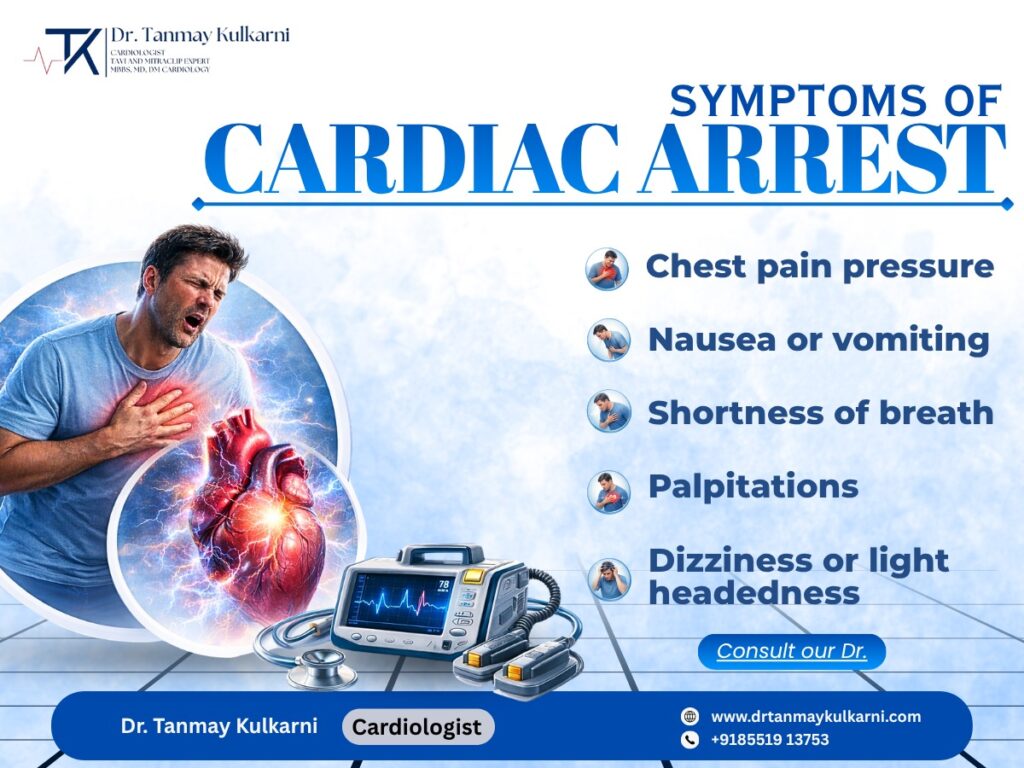
Heart-related emergencies can strike suddenly, often without warning. Among them, cardiac arrest is one of the most serious and life-threatening conditions. Recognizing the early symptoms and seeking immediate medical help can make the difference between life and death.
If you are looking for a Cardiologist in Pune or a trusted Heart Specialist in Pune, understanding these warning signs can help you take timely action and protect your heart health.
What is Cardiac Arrest?
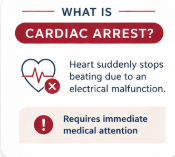
Cardiac arrest occurs when the heart suddenly stops beating effectively due to an electrical malfunction. This leads to a sudden loss of blood flow to the brain and other vital organs. Unlike a heart attack, which is caused by blocked arteries, cardiac arrest is primarily related to abnormal heart rhythms (arrhythmias).
Without immediate medical attention, cardiac arrest can lead to sudden death within minutes. This is why early recognition and prompt treatment are critical.
Common Symptoms of Cardiac Arrest
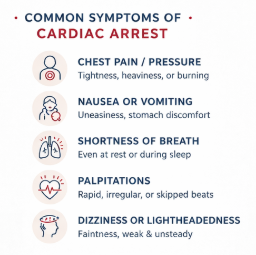
Although cardiac arrest can happen suddenly, there are often warning signs that appear beforehand. Recognizing these symptoms can help you seek help early from an Expert Cardiologist in Pune.
1. Chest Pain or Pressure
One of the most common warning signs is discomfort in the chest. Patients may feel:
- Tightness
- Pressure
- Burning sensation
This pain may last for a few minutes or come and go. It is often mistaken for acidity or muscle strain, but it should never be ignored.
2. Nausea or Vomiting
Many people experience nausea, vomiting, or a feeling of uneasiness before a cardiac event. This is more common in women but can occur in anyone.
If these symptoms are accompanied by chest discomfort or fatigue, it could indicate a serious heart issue requiring immediate attention from a Heart Specialist in Pune.
3. Shortness of Breath
Difficulty in breathing or feeling breathless even at rest is a key warning sign. It occurs because the heart is unable to pump blood efficiently, leading to reduced oxygen supply.
Shortness of breath may occur before or during a cardiac event and should not be ignored.
4. Palpitations
Palpitations refer to an abnormal awareness of your heartbeat. You may feel:
- Rapid heartbeat
- Irregular rhythm
- Skipped beats
These could indicate underlying arrhythmias, which are a major cause of cardiac arrest.
5. Dizziness or Lightheadedness
Feeling dizzy, faint, or lightheaded is another warning sign. This happens when the brain does not receive enough blood supply due to reduced heart function.
In severe cases, this can lead to sudden collapse or loss of consciousness, which is a hallmark symptom of cardiac arrest.
Additional Warning Signs to Watch For
Apart from the major symptoms mentioned above, some other signs may include:
- Extreme fatigue
- Cold sweats
- Sudden weakness
- Anxiety or a feeling of impending doom
These symptoms may appear hours or even days before a cardiac arrest.
Difference Between Heart Attack and Cardiac Arrest
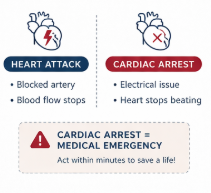
Many people confuse cardiac arrest with a heart attack, but they are not the same:
- Heart Attack: Caused by a blockage in blood flow to the heart
- Cardiac Arrest: Caused by an electrical malfunction leading to sudden stopping of the heart
However, a heart attack can sometimes trigger cardiac arrest, making early diagnosis and treatment essential.
Who is at Risk?
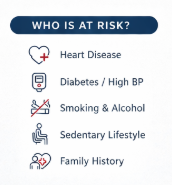
Certain individuals are at higher risk of cardiac arrest, including those who:
- Have a history of heart disease
- Suffer from high blood pressure or diabetes
- Smoke or consume excessive alcohol
- Have a family history of heart conditions
- Lead a sedentary lifestyle
Regular check-ups with a Cardiologist in Pune can help identify and manage these risk factors effectively.
What to Do in Case of Cardiac Arrest?
Cardiac arrest is a medical emergency that requires immediate action:
- Call emergency medical services immediately
- Start CPR (Cardiopulmonary Resuscitation) if trained
- Use an AED (Automated External Defibrillator) if available
- Ensure the patient receives immediate hospital care
Quick response can significantly increase the chances of survival.
Prevention Tips for Better Heart Health
While not all cases can be prevented, adopting a healthy lifestyle can reduce your risk:
- Eat a balanced, heart-healthy diet
- Exercise regularly
- Manage stress effectively
- Avoid smoking
- Keep blood pressure, sugar, and cholesterol under control
Consulting a Heart Specialist in Pune regularly ensures early detection and better management of heart conditions.
Why Choose Dr. Tanmay S Kulkarni, Cardiologist in Pune?
When it comes to heart health, choosing the right doctor is crucial. Dr. Tanmay S Kulkarni, Cardiologist in Pune, is known for providing advanced cardiac care with a focus on accurate diagnosis and timely treatment.
With expertise in managing complex heart conditions and emergencies, Dr. Kulkarni offers personalized care tailored to each patient’s needs.
If you are searching for a reliable Cardiologist in Pune or an experienced Heart Specialist in Pune, Dr. Tanmay S Kulkarni is a trusted name for comprehensive cardiac care.
Conclusion
Cardiac arrest is a life-threatening condition, but recognizing the early warning signs can save lives. Symptoms like chest pain, shortness of breath, palpitations, and dizziness should never be ignored.
Timely medical intervention, combined with a healthy lifestyle, can significantly reduce the risk and improve outcomes.
If you or your loved ones experience any of these symptoms, do not delay. Consult Dr. Tanmay S Kulkarni, Cardiologist in Pune, for expert guidance and advanced heart care.
Your heart health is your greatest asset—take care of it today for a healthier tomorrow.