
Heart infections are serious medical conditions that require immediate attention and expert care. One such condition is Infective Endocarditis (IE), a potentially life-threatening infection that affects the inner lining of the heart and heart valves. Many people are unaware that untreated infections in other parts of the body can travel through the bloodstream and damage the heart.
Dr. Tanmay S Kulkarni, a renowned Heart Specialist in Pune, believes that awareness and early diagnosis play a vital role in preventing severe complications related to infective endocarditis. At the clinic of Dr. Tanmay S Kulkarni, Heart Specialist in Pune, patients receive advanced cardiac evaluation, personalized treatment, and preventive heart care for better long-term health outcomes.
What is Infective Endocarditis?
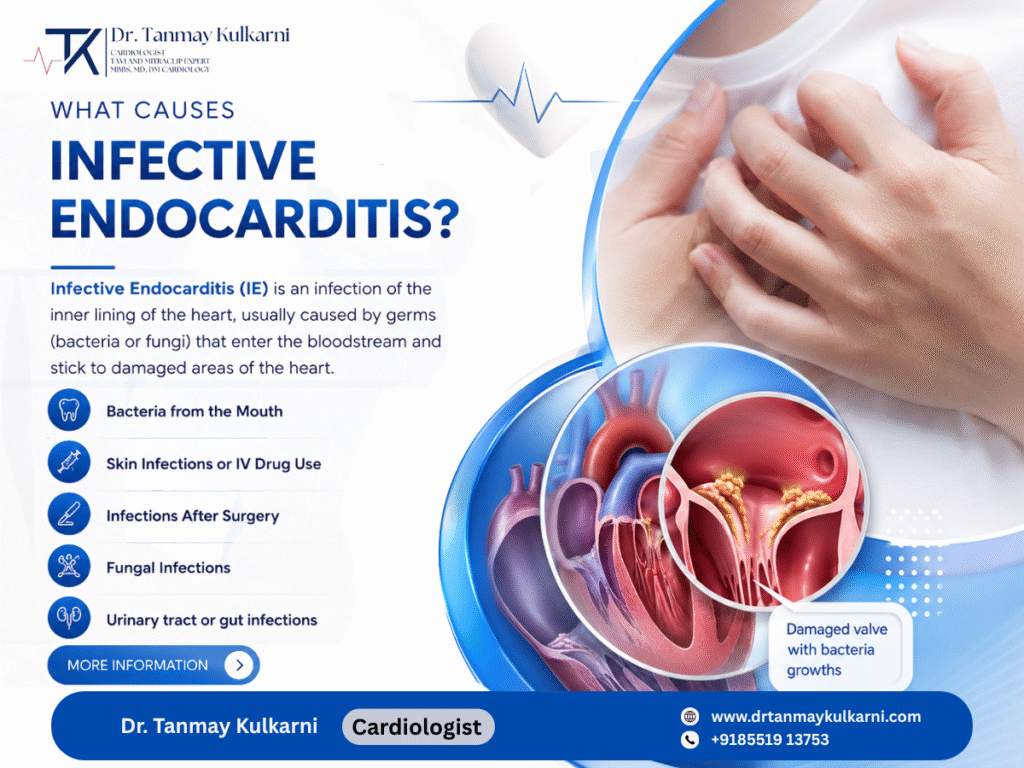
Infective Endocarditis is an infection of the inner lining of the heart, called the endocardium. It commonly affects the heart valves and is usually caused by bacteria or fungi entering the bloodstream. Once these microorganisms reach the heart, they attach to damaged or abnormal heart tissues and begin multiplying.
If left untreated, infective endocarditis can lead to serious complications such as heart valve damage, stroke, heart failure, and even life-threatening infections throughout the body.
According to Dr. Tanmay S Kulkarni, an experienced Heart Specialist in Pune, early identification of symptoms and prompt medical care can significantly improve recovery and reduce complications.
Common Causes of Infective Endocarditis
There are several ways bacteria or fungi can enter the bloodstream and increase the risk of infective endocarditis.
1. Poor Oral Hygiene and Dental Infections
The mouth contains many bacteria. Poor dental hygiene, gum disease, or dental procedures can allow bacteria to enter the bloodstream and travel to the heart. This is one of the most common causes of infective endocarditis.
Regular dental care and maintaining oral hygiene are extremely important, especially for individuals with pre-existing heart conditions.
2. Skin Infections
Bacteria from skin wounds, boils, or infections can enter the blood circulation. Individuals with untreated skin infections are at higher risk of developing infective endocarditis.
3. Intravenous (IV) Drug Use
Using contaminated needles during IV drug use can directly introduce harmful bacteria into the bloodstream. This significantly increases the risk of heart infections.
4. Infections After Surgery or Medical Procedures
Certain medical procedures, surgeries, or catheter insertions can occasionally allow bacteria to enter the bloodstream, especially if proper infection control measures are not followed.
5. Fungal Infections
Although less common, fungal infections can also cause infective endocarditis. These infections are more frequently seen in people with weakened immune systems.
6. Urinary Tract or Gastrointestinal Infections
Untreated urinary tract infections (UTIs) or infections in the digestive tract may spread bacteria into the bloodstream and eventually affect the heart.
At Dr. Tanmay S Kulkarni, Heart Specialist in Pune, patients are educated about these risk factors and guided on preventive heart care measures.
Who is at Higher Risk?
Some individuals are more vulnerable to infective endocarditis than others. Risk factors include:
- Previous history of infective endocarditis
- Damaged or artificial heart valves
- Congenital heart defects
- Rheumatic heart disease
- Weak immune system
- Long-term catheter use
- Intravenous drug use
- Poor oral hygiene
People with these risk factors should undergo regular heart check-ups with an experienced Heart Specialist in Pune to ensure early detection and prevention.
Symptoms of Infective Endocarditis
The symptoms of infective endocarditis may develop gradually or suddenly depending on the severity of the infection. Common symptoms include:
- Persistent fever and chills
- Fatigue and weakness
- Shortness of breath
- Chest pain
- Night sweats
- Unexplained weight loss
- Muscle and joint pain
- Swelling in legs or abdomen
- Rapid heartbeat
- Small red or purple spots on the skin
Because these symptoms can resemble other illnesses, proper cardiac evaluation is essential for accurate diagnosis.
Dr. Tanmay S Kulkarni, trusted Heart Specialist in Pune, recommends seeking immediate medical attention if you experience persistent fever along with heart-related symptoms.
How is Infective Endocarditis Diagnosed?
Accurate diagnosis requires detailed clinical examination and advanced cardiac investigations. Common diagnostic methods include:
Blood Tests
Blood cultures help identify the bacteria or fungi causing the infection.
Echocardiography
A 2D Echo or Transesophageal Echocardiography (TEE) helps detect infected heart valves and structural damage.
ECG and Chest X-Ray
These tests help evaluate heart rhythm abnormalities and related complications.
CT Scan or MRI
Advanced imaging may be recommended in severe cases to detect infection spread.
At Dr. Tanmay S Kulkarni, Heart Specialist in Pune, modern diagnostic techniques are used to provide accurate and timely diagnosis for better patient outcomes.
Treatment for Infective Endocarditis
Treatment depends on the severity of infection and the extent of heart damage.
Antibiotic Therapy
Most bacterial infections are treated with intravenous antibiotics for several weeks.
Antifungal Medications
Fungal infections may require specialized antifungal treatment.
Surgery
In severe cases, surgery may be necessary to repair or replace damaged heart valves.
Early treatment is essential to prevent permanent heart damage and life-threatening complications.
Prevention Tips for Better Heart Health
Preventing infective endocarditis involves maintaining overall hygiene and protecting heart health.
Here are some important prevention tips:
- Maintain good oral hygiene
- Treat infections promptly
- Avoid IV drug use
- Follow proper wound care
- Attend regular cardiac check-ups
- Inform your doctor before dental or surgical procedures if you have heart disease
Dr. Tanmay S Kulkarni strongly emphasizes preventive cardiology and patient education to reduce the risk of severe cardiac infections.
Consult Dr. Tanmay S Kulkarni – Heart Specialist in Pune
If you are experiencing symptoms of heart infection or have an existing heart condition, timely consultation with a specialist is essential. Dr. Tanmay S Kulkarni, Heart Specialist in Pune, offers expert diagnosis and comprehensive treatment for various cardiac conditions, including infective endocarditis.
With a patient-focused approach, advanced diagnostic facilities, and personalized care, Dr. Tanmay S Kulkarni is committed to helping patients achieve better heart health and improved quality of life.
Early diagnosis can save lives. Protect your heart by scheduling a consultation with Dr. Tanmay S Kulkarni, Heart Specialist in Pune today.