
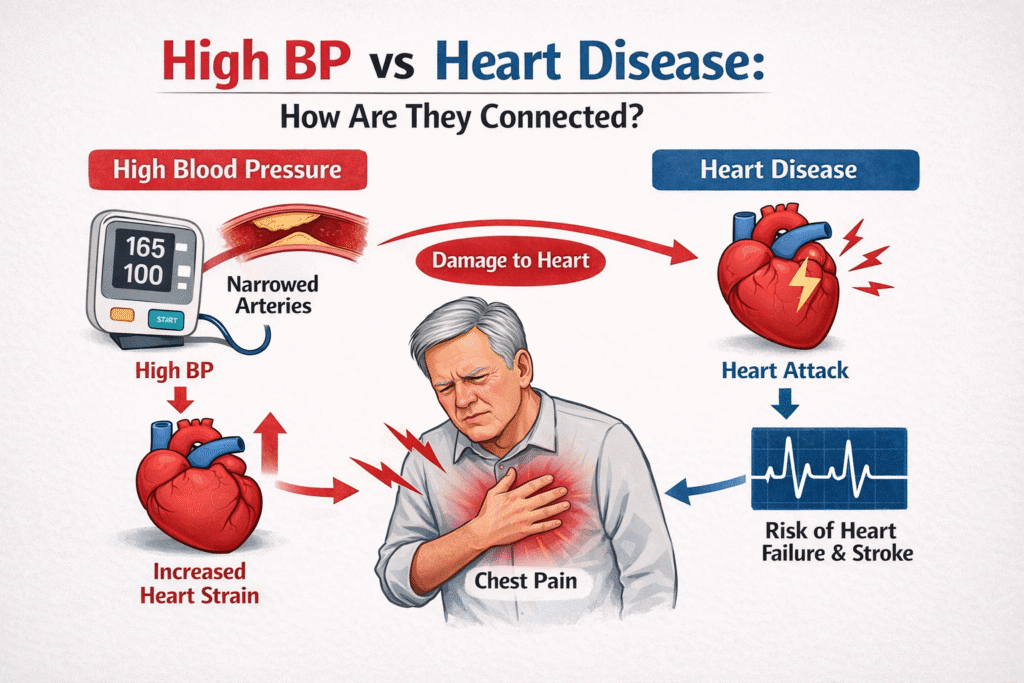
High blood pressure and heart disease are two of the most common health problems affecting adults today. Many people think they are separate conditions, but in reality, they are closely connected. If you have high blood pressure, your risk of developing heart disease increases significantly. Understanding this connection can help you take timely steps to protect your heart health.
As an experienced cardiologist in Pune, Dr Tanmay Kulkarni often sees patients who are unaware that uncontrolled blood pressure silently damages their heart for years before symptoms appear. Let’s break down how high BP and heart disease are linked and why early care matters.
What Is High Blood Pressure?
High blood pressure, also called hypertension, occurs when the force of blood pushing against your artery walls remains consistently high. A normal blood pressure reading is around 120/80 mmHg. When readings regularly stay above 130/80 mmHg, it may indicate hypertension.
Hypertension is often called the “silent killer” because it usually has no obvious symptoms. Many people feel completely fine until serious complications develop.
What Is Heart Disease?
Heart disease is a broad term that includes several conditions affecting the heart, such as:
- Coronary artery disease
- Heart attack
- Heart failure
- Arrhythmias (irregular heartbeat)
- Valve problems
Among these, coronary artery disease is the most common and is strongly linked to high blood pressure.
How High BP Damages the Heart
When blood pressure stays high for a long time, it forces the heart to work harder to pump blood throughout the body. This extra workload creates several harmful effects:
1. Thickening of Heart Muscle
The heart muscle, especially the left ventricle, thickens due to constant strain. This condition, known as left ventricular hypertrophy, makes the heart stiff and less efficient. Over time, it may lead to heart failure.
2. Damage to Arteries
High BP damages the inner lining of arteries. This makes them more prone to plaque buildup (atherosclerosis). Narrowed arteries reduce blood flow to the heart muscle and increase the risk of a heart attack.
3. Increased Risk of Heart Attack
When plaque builds up in the coronary arteries, it can rupture and form a clot. This clot blocks blood flow to the heart, causing a heart attack.
4. Risk of Heart Failure
Constant high pressure weakens the heart over time. Eventually, the heart cannot pump enough blood to meet the body’s needs, leading to heart failure.
This is why managing blood pressure is one of the most important steps in preventing serious heart conditions.
Why High BP and Heart Disease Often Go Together
High blood pressure and heart disease share many common risk factors:
- Obesity
- Smoking
- Diabetes
- High cholesterol
- Sedentary lifestyle
- Excess salt intake
- Stress
If these risk factors are not controlled, they create a chain reaction that gradually harms the heart.
As a trusted heart specialist in Pune, Dr Tanmay Kulkarni emphasizes that early screening and lifestyle correction can significantly reduce these risks.
Warning Signs You Should Not Ignore
Although high BP itself may not show symptoms, heart disease often presents warning signs such as:
- Chest pain or tightness
- Shortness of breath
- Fatigue
- Swelling in legs
- Irregular heartbeat
- Dizziness
If you experience any of these symptoms, immediate medical consultation is necessary.
Can High BP Be Reversed?
In many cases, early-stage hypertension can be controlled—and sometimes improved—through lifestyle changes such as:
1. Healthy Diet
Adopt a heart-friendly diet rich in fruits, vegetables, whole grains, and lean protein. Reduce salt and processed food intake.
2. Regular Exercise
At least 30 minutes of moderate exercise (like brisk walking) five days a week helps lower blood pressure and strengthen the heart.
3. Weight Management
Losing even 5–10% of body weight can significantly reduce blood pressure.
4. Stress Management
Yoga, meditation, and breathing exercises can help reduce stress-related blood pressure spikes.
5. Medication (If Needed)
Some patients require blood pressure medications to maintain safe levels. Skipping medication can increase the risk of heart complications.
Regular follow-ups with a qualified cardiologist in Pune ensure that your treatment plan is adjusted according to your condition.
The Importance of Regular Heart Check-ups
Many patients visit a doctor only after symptoms appear. However, preventive heart check-ups can detect early signs of heart damage even before symptoms develop.
Routine tests may include:
- Blood pressure monitoring
- ECG
- 2D Echo
- Stress test
- Lipid profile
- Blood sugar levels
Early detection allows timely intervention and prevents long-term damage.
Who Is at Higher Risk?
You may have a higher risk of developing heart disease from high BP if you:
- Are above 40 years of age
- Have a family history of heart problems
- Have diabetes
- Smoke or consume alcohol regularly
- Lead a sedentary lifestyle
If you fall into these categories, proactive care becomes even more important.
Protecting Your Heart Starts Today
The connection between high BP and heart disease is strong but preventable. High blood pressure slowly weakens the heart and damages arteries, increasing the risk of serious cardiac events. The good news is that with proper medical care, lifestyle changes, and regular monitoring, you can protect your heart.
Dr Tanmay Kulkarni, an experienced heart specialist in Pune, focuses on early diagnosis, personalized treatment, and preventive cardiology to help patients maintain long-term heart health.
If you have been ignoring your blood pressure readings or postponing a heart check-up, now is the time to act. Your heart works tirelessly for you—give it the care it deserves.
 Select an element to maximize. Press ESC to cancel.