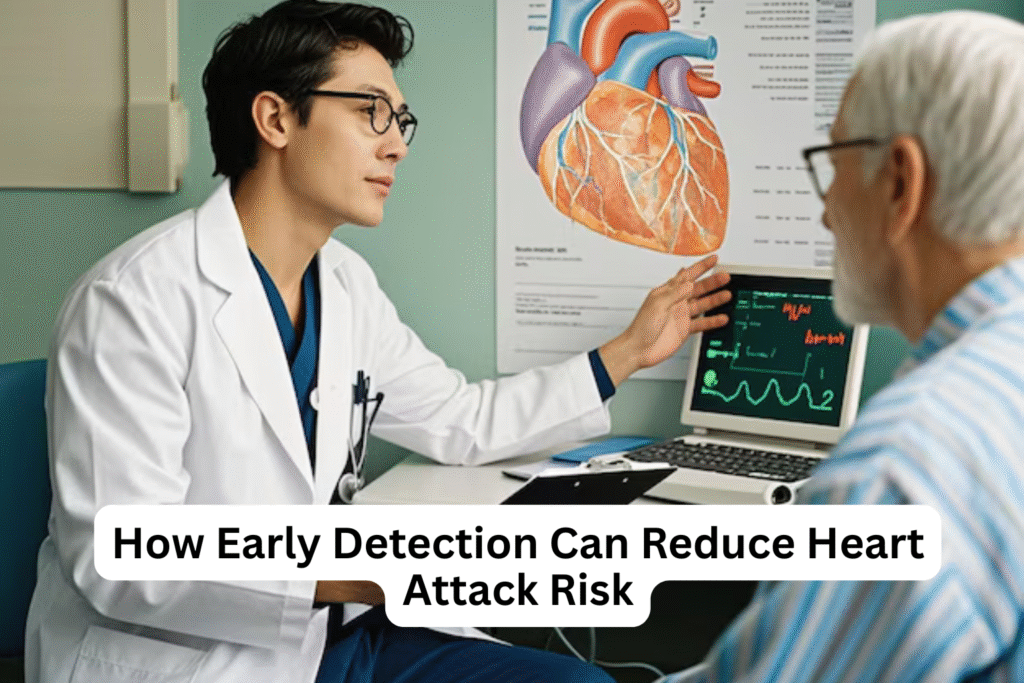
Dr. Tanmay Kulkarni, Cardiologist in Pune, focuses on early detection and preventive cardiac care to significantly reduce heart attack risk and improve long-term heart health.
How Early Detection Can Reduce Heart Attack Risk
Here’s original, human-friendly, SEO-rich, plagiarism-free blog content crafted especially for you 👇
(About ~700 words, written in a natural tone and optimized for search)
How Early Detection Can Reduce Heart Attack Risk
Heart attacks don’t usually happen overnight. In most cases, the body gives subtle warning signs weeks, months, or even years in advance. Unfortunately, these signs are often ignored or mistaken for everyday stress or fatigue. This is where early detection of heart disease plays a powerful role in reducing the risk of a heart attack and saving lives.
According to Dr. Tanmay Kulkarni, Cardiologist in Pune, early identification of heart-related issues allows timely treatment, lifestyle changes, and preventive care—often stopping a heart attack before it happens.
Why Heart Attacks Often Go Undetected
Many people believe heart disease only affects older adults. In reality, sedentary lifestyles, unhealthy diets, high stress levels, smoking, diabetes, and high blood pressure are causing heart problems even in people in their 30s and 40s.
The challenge is that heart disease can remain silent for years. Conditions like high cholesterol, blocked arteries, or high blood pressure rarely show obvious symptoms in the early stages. By the time chest pain or breathlessness appears, significant damage may already have occurred.
What Is Early Detection in Heart Health?
Early detection means identifying heart disease before symptoms become severe. It includes regular heart check-ups, screenings, and diagnostic tests that help spot risk factors early.
As a leading cardiologist in Pune, Dr. Tanmay Kulkarni emphasizes that preventive heart screening is especially important for individuals with:
- Family history of heart disease
- High blood pressure or diabetes
- High cholesterol
- Obesity
- Smoking or excessive alcohol intake
- High stress or sedentary lifestyle
Key Tests That Help Detect Heart Disease Early
Early diagnosis doesn’t always involve complex procedures. Some simple and commonly recommended tests include:
- Blood tests to check cholesterol and sugar levels
- Blood pressure monitoring
- Electrocardiogram (ECG) to assess heart rhythm
- 2D Echo to evaluate heart function
- Stress tests or TMT to detect reduced blood flow to the heart
These tests help cardiologists assess heart health and detect issues long before a heart attack occurs.
How Early Detection Reduces Heart Attack Risk
1. Prevents Artery Blockage Progression
Blocked arteries develop slowly. When detected early, medications and lifestyle changes can slow or even reverse plaque buildup, reducing the chances of a sudden heart attack.
2. Allows Timely Medical Intervention
Early diagnosis enables cardiologists to start treatment such as blood pressure control, cholesterol-lowering medications, or antiplatelet therapy—preventing major cardiac events.
3. Encourages Lifestyle Modifications
When patients learn about their heart risk early, they are more likely to adopt heart-healthy habits like regular exercise, balanced diet, weight management, and stress reduction.
4. Reduces Emergency Situations
People who undergo regular heart check-ups are less likely to suffer sudden, life-threatening heart attacks. Early detection reduces emergency hospitalizations and improves long-term outcomes.
Warning Signs You Should Never Ignore
Even with early screening, it’s important to listen to your body. Seek immediate medical advice if you experience:
- Chest discomfort or heaviness
- Shortness of breath
- Fatigue without reason
- Palpitations
- Dizziness or fainting
- Pain in the jaw, arm, or back
Dr. Tanmay, Cardiologist in Pune, advises that even mild or occasional symptoms should be evaluated, especially in high-risk individuals.
The Role of Preventive Cardiology
Preventive cardiology focuses on stopping heart disease before it becomes serious. This approach combines regular screenings, personalized risk assessment, and lifestyle counseling. With expert guidance, patients can significantly lower their heart attack risk and enjoy better quality of life.
Early detection also helps reduce emotional stress, financial burden, and long recovery periods associated with heart attacks.
Take Charge of Your Heart Health Today
Heart attacks are not always sudden—they are often the result of years of unnoticed damage. The good news is that early detection can change the outcome. Regular heart check-ups, awareness of risk factors, and timely consultation with a specialist can make all the difference.
If you are concerned about your heart health or have a family history of heart disease, consulting Dr. Tanmay Kulkarni, Cardiologist in Pune, can help you take proactive steps toward prevention and long-term heart wellness.
Your heart works tirelessly for you—early care ensures it keeps beating strong.
How Early Detection Can Reduce Heart Attack Risk
Here’s original, human-friendly, SEO-rich, plagiarism-free blog content crafted especially for you 👇
(About ~700 words, written in a natural tone and optimized for search)
How Early Detection Can Reduce Heart Attack Risk
Heart attacks don’t usually happen overnight. In most cases, the body gives subtle warning signs weeks, months, or even years in advance. Unfortunately, these signs are often ignored or mistaken for everyday stress or fatigue. This is where early detection of heart disease plays a powerful role in reducing the risk of a heart attack and saving lives.
According to Dr. Tanmay Kulkarni, Cardiologist in Pune, early identification of heart-related issues allows timely treatment, lifestyle changes, and preventive care—often stopping a heart attack before it happens.
Why Heart Attacks Often Go Undetected
Many people believe heart disease only affects older adults. In reality, sedentary lifestyles, unhealthy diets, high stress levels, smoking, diabetes, and high blood pressure are causing heart problems even in people in their 30s and 40s.
The challenge is that heart disease can remain silent for years. Conditions like high cholesterol, blocked arteries, or high blood pressure rarely show obvious symptoms in the early stages. By the time chest pain or breathlessness appears, significant damage may already have occurred.
What Is Early Detection in Heart Health?
Early detection means identifying heart disease before symptoms become severe. It includes regular heart check-ups, screenings, and diagnostic tests that help spot risk factors early.
As a leading cardiologist in Pune, Dr. Tanmay Kulkarni emphasizes that preventive heart screening is especially important for individuals with:
- Family history of heart disease
- High blood pressure or diabetes
- High cholesterol
- Obesity
- Smoking or excessive alcohol intake
- High stress or sedentary lifestyle
Key Tests That Help Detect Heart Disease Early
Early diagnosis doesn’t always involve complex procedures. Some simple and commonly recommended tests include:
- Blood tests to check cholesterol and sugar levels
- Blood pressure monitoring
- Electrocardiogram (ECG) to assess heart rhythm
- 2D Echo to evaluate heart function
- Stress tests or TMT to detect reduced blood flow to the heart
These tests help cardiologists assess heart health and detect issues long before a heart attack occurs.
How Early Detection Reduces Heart Attack Risk
1. Prevents Artery Blockage Progression
Blocked arteries develop slowly. When detected early, medications and lifestyle changes can slow or even reverse plaque buildup, reducing the chances of a sudden heart attack.
2. Allows Timely Medical Intervention
Early diagnosis enables cardiologists to start treatment such as blood pressure control, cholesterol-lowering medications, or antiplatelet therapy—preventing major cardiac events.
3. Encourages Lifestyle Modifications
When patients learn about their heart risk early, they are more likely to adopt heart-healthy habits like regular exercise, balanced diet, weight management, and stress reduction.
4. Reduces Emergency Situations
People who undergo regular heart check-ups are less likely to suffer sudden, life-threatening heart attacks. Early detection reduces emergency hospitalizations and improves long-term outcomes.
Warning Signs You Should Never Ignore
Even with early screening, it’s important to listen to your body. Seek immediate medical advice if you experience:
- Chest discomfort or heaviness
- Shortness of breath
- Fatigue without reason
- Palpitations
- Dizziness or fainting
- Pain in the jaw, arm, or back
Dr. Tanmay, Cardiologist in Pune, advises that even mild or occasional symptoms should be evaluated, especially in high-risk individuals.
The Role of Preventive Cardiology
Preventive cardiology focuses on stopping heart disease before it becomes serious. This approach combines regular screenings, personalized risk assessment, and lifestyle counseling. With expert guidance, patients can significantly lower their heart attack risk and enjoy better quality of life.
Early detection also helps reduce emotional stress, financial burden, and long recovery periods associated with heart attacks.
Take Charge of Your Heart Health Today
Heart attacks are not always sudden—they are often the result of years of unnoticed damage. The good news is that early detection can change the outcome. Regular heart check-ups, awareness of risk factors, and timely consultation with a specialist can make all the difference.
If you are concerned about your heart health or have a family history of heart disease, consulting Dr. Tanmay Kulkarni, Cardiologist in Pune, can help you take proactive steps toward prevention and long-term heart wellness.
Your heart works tirelessly for you—early care ensures it keeps beating strong.
How Early Detection Can Reduce Heart Attack Risk
Here’s original, human-friendly, SEO-rich, plagiarism-free blog content crafted especially for you 👇
(About ~700 words, written in a natural tone and optimized for search)
How Early Detection Can Reduce Heart Attack Risk
Heart attacks don’t usually happen overnight. In most cases, the body gives subtle warning signs weeks, months, or even years in advance. Unfortunately, these signs are often ignored or mistaken for everyday stress or fatigue. This is where early detection of heart disease plays a powerful role in reducing the risk of a heart attack and saving lives.
According to Dr. Tanmay Kulkarni, Cardiologist in Pune, early identification of heart-related issues allows timely treatment, lifestyle changes, and preventive care—often stopping a heart attack before it happens.
Why Heart Attacks Often Go Undetected
Many people believe heart disease only affects older adults. In reality, sedentary lifestyles, unhealthy diets, high stress levels, smoking, diabetes, and high blood pressure are causing heart problems even in people in their 30s and 40s.
The challenge is that heart disease can remain silent for years. Conditions like high cholesterol, blocked arteries, or high blood pressure rarely show obvious symptoms in the early stages. By the time chest pain or breathlessness appears, significant damage may already have occurred.
What Is Early Detection in Heart Health?
Early detection means identifying heart disease before symptoms become severe. It includes regular heart check-ups, screenings, and diagnostic tests that help spot risk factors early.
As a leading cardiologist in Pune, Dr. Tanmay Kulkarni emphasizes that preventive heart screening is especially important for individuals with:
- Family history of heart disease
- High blood pressure or diabetes
- High cholesterol
- Obesity
- Smoking or excessive alcohol intake
- High stress or sedentary lifestyle
Key Tests That Help Detect Heart Disease Early
Early diagnosis doesn’t always involve complex procedures. Some simple and commonly recommended tests include:
- Blood tests to check cholesterol and sugar levels
- Blood pressure monitoring
- Electrocardiogram (ECG) to assess heart rhythm
- 2D Echo to evaluate heart function
- Stress tests or TMT to detect reduced blood flow to the heart
These tests help cardiologists assess heart health and detect issues long before a heart attack occurs.
How Early Detection Reduces Heart Attack Risk
1. Prevents Artery Blockage Progression
Blocked arteries develop slowly. When detected early, medications and lifestyle changes can slow or even reverse plaque buildup, reducing the chances of a sudden heart attack.
2. Allows Timely Medical Intervention
Early diagnosis enables cardiologists to start treatment such as blood pressure control, cholesterol-lowering medications, or antiplatelet therapy—preventing major cardiac events.
3. Encourages Lifestyle Modifications
When patients learn about their heart risk early, they are more likely to adopt heart-healthy habits like regular exercise, balanced diet, weight management, and stress reduction.
4. Reduces Emergency Situations
People who undergo regular heart check-ups are less likely to suffer sudden, life-threatening heart attacks. Early detection reduces emergency hospitalizations and improves long-term outcomes.
Warning Signs You Should Never Ignore
Even with early screening, it’s important to listen to your body. Seek immediate medical advice if you experience:
- Chest discomfort or heaviness
- Shortness of breath
- Fatigue without reason
- Palpitations
- Dizziness or fainting
- Pain in the jaw, arm, or back
Dr. Tanmay, Cardiologist in Pune, advises that even mild or occasional symptoms should be evaluated, especially in high-risk individuals.
The Role of Preventive Cardiology
Preventive cardiology focuses on stopping heart disease before it becomes serious. This approach combines regular screenings, personalized risk assessment, and lifestyle counseling. With expert guidance, patients can significantly lower their heart attack risk and enjoy better quality of life.
Early detection also helps reduce emotional stress, financial burden, and long recovery periods associated with heart attacks.
Take Charge of Your Heart Health Today
Heart attacks are not always sudden—they are often the result of years of unnoticed damage. The good news is that early detection can change the outcome. Regular heart check-ups, awareness of risk factors, and timely consultation with a specialist can make all the difference.
If you are concerned about your heart health or have a family history of heart disease, consulting Dr. Tanmay Kulkarni, Cardiologist in Pune, can help you take proactive steps toward prevention and long-term heart wellness.
Your heart works tirelessly for you—early care ensures it keeps beating strong.

Select an element to maximize. Press ESC to cancel.