
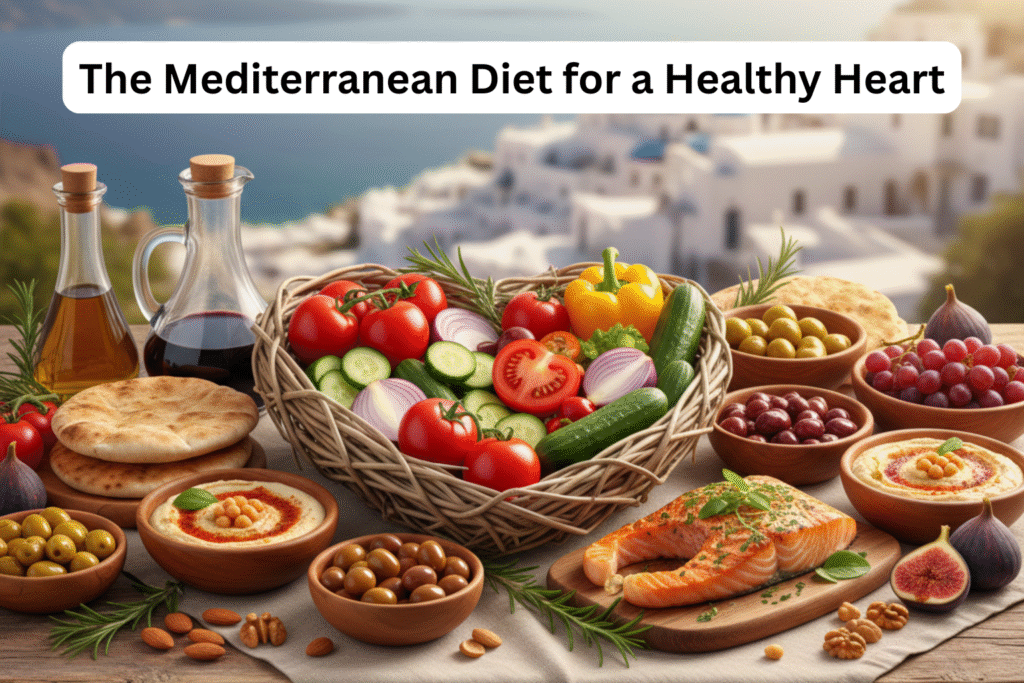
Heart disease continues to be one of the leading causes of health problems worldwide, but the good news is that many heart conditions are preventable through the right lifestyle choices. Among all heart-healthy eating patterns, the Mediterranean diet has consistently stood out as one of the most effective ways to protect your heart. As a Cardiologist in Pune, I often recommend this diet to patients looking to improve heart health naturally and sustainably.
What Is the Mediterranean Diet?
The Mediterranean diet is inspired by the traditional eating habits of people living in countries bordering the Mediterranean Sea, such as Greece, Italy, and Spain. Instead of focusing on strict calorie counting, this diet emphasizes whole, natural foods, healthy fats, and balanced meals.
At its core, the Mediterranean diet is not just a diet—it’s a heart-friendly lifestyle. It promotes mindful eating, physical activity, and enjoying meals with family, which together play a vital role in cardiovascular well-being.
Why Is the Mediterranean Diet Good for Heart Health?
Extensive research has shown that people who follow the Mediterranean diet have a lower risk of heart attacks, high blood pressure, and stroke. From a heart specialist’s perspective, the biggest strength of this diet is its ability to reduce inflammation, improve cholesterol levels, and support healthy blood vessels.
As a Heart Specialist in Pune, I often see patients struggling with high LDL (bad cholesterol), obesity, or early signs of heart disease. The Mediterranean diet helps by:
- Lowering bad cholesterol
- Increasing good HDL cholesterol
- Improving blood sugar control
- Reducing arterial inflammation
These benefits together significantly reduce the risk of long-term heart complications.
Key Components of the Mediterranean Diet
1. Healthy Fats Over Unhealthy Fats
Unlike traditional diets that fear fats, the Mediterranean diet embraces healthy fats, especially olive oil. Olive oil is rich in monounsaturated fats and antioxidants that protect the heart and reduce plaque buildup in arteries.
2. Plenty of Fruits and Vegetables
Colorful fruits and vegetables are packed with vitamins, minerals, and antioxidants. They help control blood pressure and prevent oxidative stress, which is a major contributor to heart disease.
3. Whole Grains for Sustained Energy
Whole grains like oats, brown rice, quinoa, and whole wheat bread provide fiber that helps control cholesterol levels and keeps the heart strong.
4. Lean Proteins and Plant-Based Foods
Fish, especially fatty fish like salmon and sardines, is a major protein source. These fish are rich in omega-3 fatty acids, which reduce heart rhythm problems and inflammation. Plant proteins such as lentils, chickpeas, and beans also play a major role.
5. Limited Red Meat and Processed Foods
Red meat, processed snacks, and sugary foods are consumed sparingly. Reducing these foods helps lower sodium intake and prevents unnecessary strain on the heart.
How the Mediterranean Diet Helps Indian Heart Patients
In India, heart disease often appears at a younger age due to lifestyle habits, stress, and unhealthy food choices. The Mediterranean diet can be easily adapted to Indian kitchens by:
- Using olive oil or mustard oil in moderation
- Adding more seasonal vegetables and fruits
- Including nuts like almonds and walnuts
- Replacing refined grains with millets and whole grains
As a Cardiologist in Pune, I have seen patients achieve better cholesterol control and weight management by making these simple dietary changes.
Lifestyle Matters Along with Diet
The Mediterranean lifestyle emphasizes regular physical activity, stress management, and adequate sleep—factors that are just as important as diet for heart health. Even a 30-minute walk daily can significantly improve heart function.
Who Should Follow the Mediterranean Diet?
This diet is ideal for:
- People with high cholesterol or blood pressure
- Patients with diabetes or prediabetes
- Individuals with a family history of heart disease
- Anyone looking for long-term heart protection
As a Heart Specialist in Pune, I always advise patients to combine the Mediterranean diet with regular health checkups for the best results.
Final Thoughts
The Mediterranean diet is not about restrictions; it’s about making smarter, heart-friendly food choices that you can follow for life. By nourishing your body with the right foods and maintaining a healthy lifestyle, you can significantly reduce your risk of heart disease.
If you are looking for personalized heart care and dietary guidance, consulting a trusted Cardiologist in Pune, Dr Tanmay Kulkarni can help you take the right steps toward a stronger, healthier heart.
 Select an element to maximize. Press ESC to cancel.