
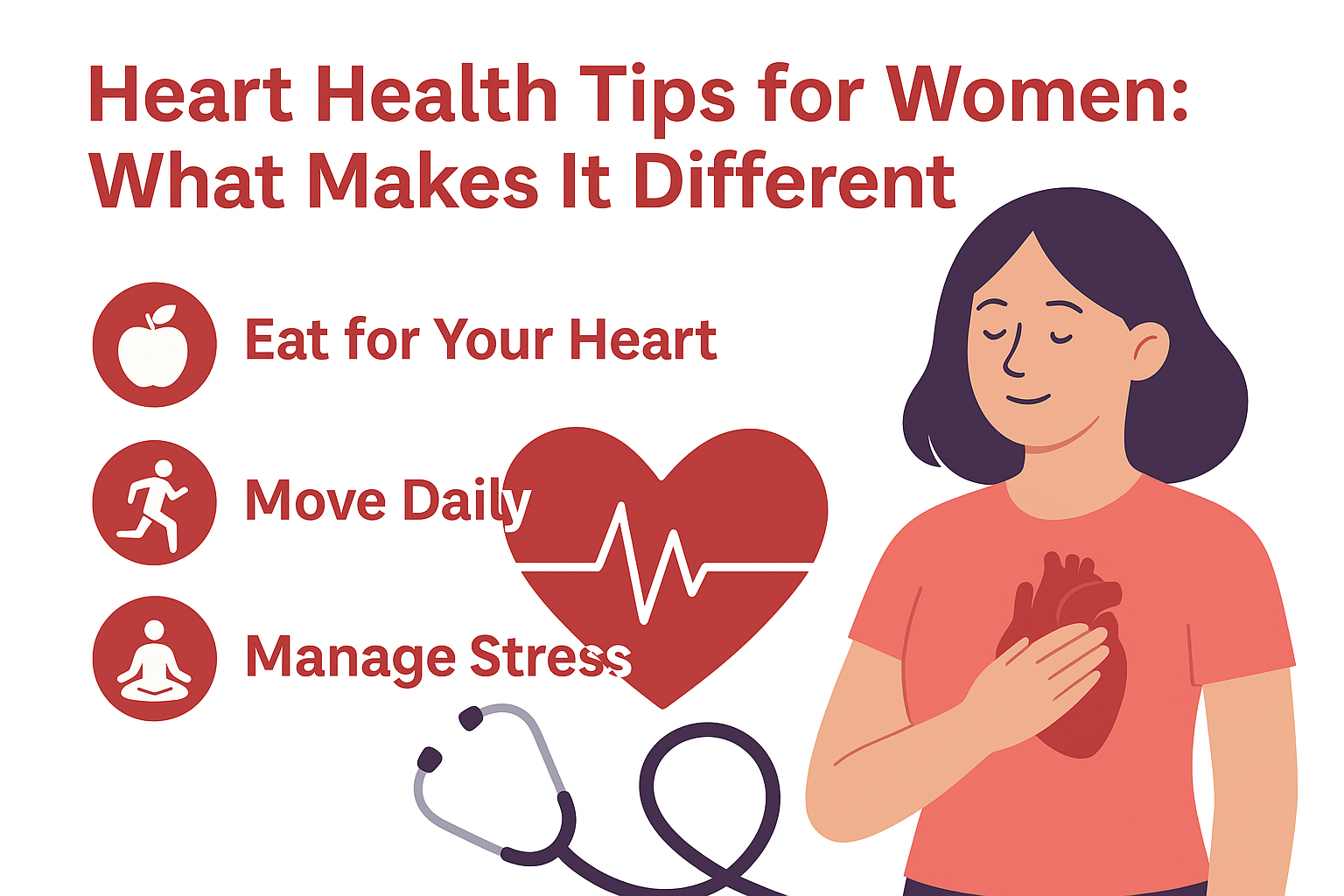
Heart disease is often thought of as a “man’s disease,” but the truth is—it’s one of the leading causes of death among women worldwide. Unfortunately, heart health in women is frequently overlooked because symptoms, risk factors, and disease patterns can differ significantly from those in men. Understanding these differences is the first step toward protecting your heart and ensuring long-term health.
As an experienced Cardiologist in Baner, Dr. Tanmay Kulkarni emphasizes that women must pay close attention to heart health, especially after the age of 35 or post-menopause, when hormonal changes can influence cardiovascular function.
How Women’s Heart Health Differs from Men’s
The human heart functions the same way in both men and women, but several physiological and hormonal factors set women apart:
- Hormonal Influence:
Estrogen offers natural protection against heart disease in younger women by maintaining healthy cholesterol levels and keeping blood vessels flexible. However, after menopause, the drop in estrogen increases the risk of high blood pressure, high cholesterol, and plaque buildup. - Different Symptoms:
Heart attack symptoms in women are often subtle and easily mistaken for fatigue, acid reflux, or stress. Instead of the classic “crushing chest pain,” women may experience:- Shortness of breath
- Nausea or vomiting
- Pain in the jaw, back, or neck
- Unexplained fatigue or dizziness
These non-traditional symptoms often delay diagnosis, making awareness crucial.
- Smaller Blood Vessels:
Women typically have smaller coronary arteries than men. This can lead to microvascular disease—a condition that affects the tiny arteries of the heart and is harder to detect on traditional angiograms. - Autoimmune and Hormonal Conditions:
Conditions like thyroid imbalance, PCOS, and autoimmune diseases such as lupus are more common in women and can increase cardiovascular risk.
Heart Health Tips for Women
While genetics play a role, lifestyle choices are the foundation of a healthy heart. Here are practical, science-backed tips every woman should follow:
1. Eat for Your Heart
- Choose a Mediterranean-style diet rich in fruits, vegetables, whole grains, lean proteins, and healthy fats like olive oil and nuts.
- Limit salt, processed foods, and sugary drinks.
- Include omega-3 sources like fish or flaxseeds to help reduce inflammation and triglycerides.
2. Move Daily
- Aim for at least 30 minutes of moderate exercise five days a week—brisk walking, cycling, or swimming are great options.
- Combine cardio with strength training to maintain muscle and support metabolism.
- Even small lifestyle changes, like taking the stairs or walking after meals, can improve circulation and lower blood pressure.
3. Manage Stress
Emotional stress impacts women’s hearts more strongly than men’s. Chronic anxiety or burnout can raise cortisol levels, leading to high blood pressure and inflammation.
Try:
- Deep breathing or meditation
- Yoga or mindfulness exercises
- Taking short breaks during work hours
- Spending quality time with loved ones
4. Watch Your Numbers
Regular screening is vital. Women should monitor:
- Blood pressure: Should ideally be below 120/80 mmHg
- Cholesterol levels: Keep LDL low and HDL high
- Blood sugar: Especially if there’s a family history of diabetes
Dr. Kulkarni, a trusted Cardiologist in Baner, recommends annual heart health checkups for early detection and prevention of complications.
5. Avoid Smoking and Limit Alcohol
Smoking damages arteries and accelerates plaque buildup, while excessive alcohol intake raises blood pressure and triglyceride levels. Quitting smoking is one of the fastest ways to improve cardiovascular health.
6. Get Quality Sleep
Lack of sleep affects hormonal balance and heart rhythm. Women should aim for 7–8 hours of quality sleep to help the heart recover and maintain normal blood pressure levels.
When to See a Cardiologist
If you experience unusual fatigue, chest pressure, or shortness of breath—don’t ignore these signs. Early evaluation can prevent major complications. Women with a history of diabetes, hypertension, obesity, or a family history of heart disease should undergo regular heart screenings even if they feel healthy.
At his clinic in Baner, Dr. Tanmay Kulkarni provides comprehensive cardiac evaluations, preventive care, and advanced treatment options for women of all ages. His patient-centric approach focuses on identifying silent risk factors and empowering women to make heart-healthy lifestyle choices.
Final Thoughts
Heart disease in women can be silent, but it’s never inevitable. With the right awareness, regular checkups, and lifestyle habits, women can protect their hearts and live longer, healthier lives.
Remember, your heart health is in your hands—listen to your body, manage stress, eat smart, and stay active. Prevention is the most powerful form of care.
For expert guidance and heart health consultation, reach out to Dr. Kulkarni – Cardiologist in Baner, and take the first step towards a stronger, healthier heart.
 Select an element to maximize. Press ESC to cancel.